REGENERATION
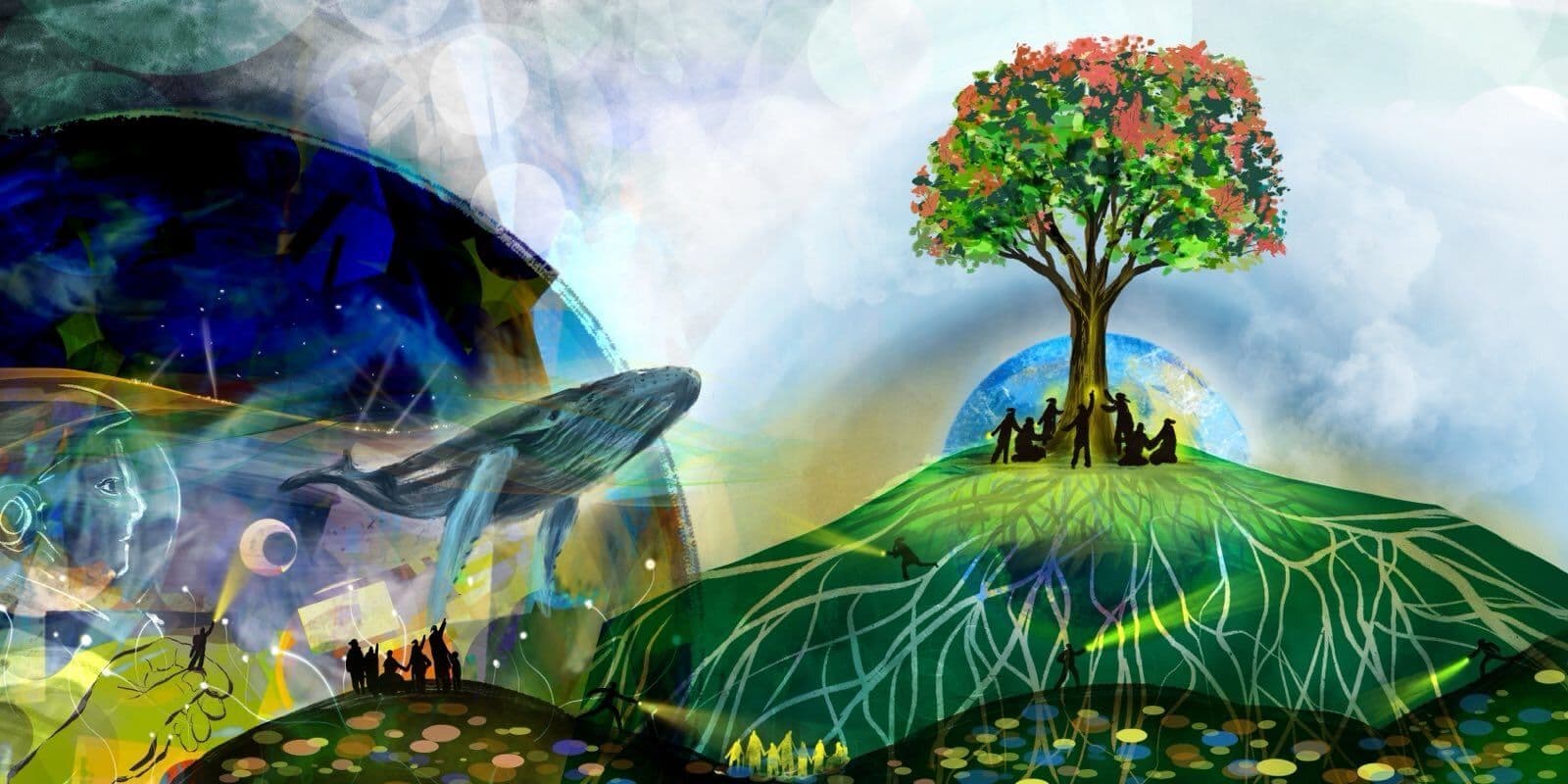
A planetary movement is awakening. We help it grow roots.
We empower the people who steward living systems, from Indigenous elders to farmers, financiers and policymakers, with methods, tools and support that unlock the potential for regeneration in critical territories and bioregions.
467
leaders in our Latin America Ecosystem Leadership Program since 2023; 65% women, 90% with financial support
55
prototypes launched by program participants in the first two years
210+
leaders in our agroecology and conservation labs in Tanzania, Mozambique and West Africa
~1,000
people at one global session on soil health, human health and regenerative economies
THE MOMENT
A planetary shift in the making
On every continent, farmers, communities, entrepreneurs, educators and activists are working in parallel: restoring land, rebuilding local economies and reweaving relationships. Together they are part of a shift in three dimensions: ecological, social and consciousness.
Otto Scharmer calls this moment an axial threshold, a rupture comparable to the one that gave rise to the great wisdom traditions 2,500 years ago. Climate breakdown, polarization and the loss of meaning are symptoms of a depleted social soil.
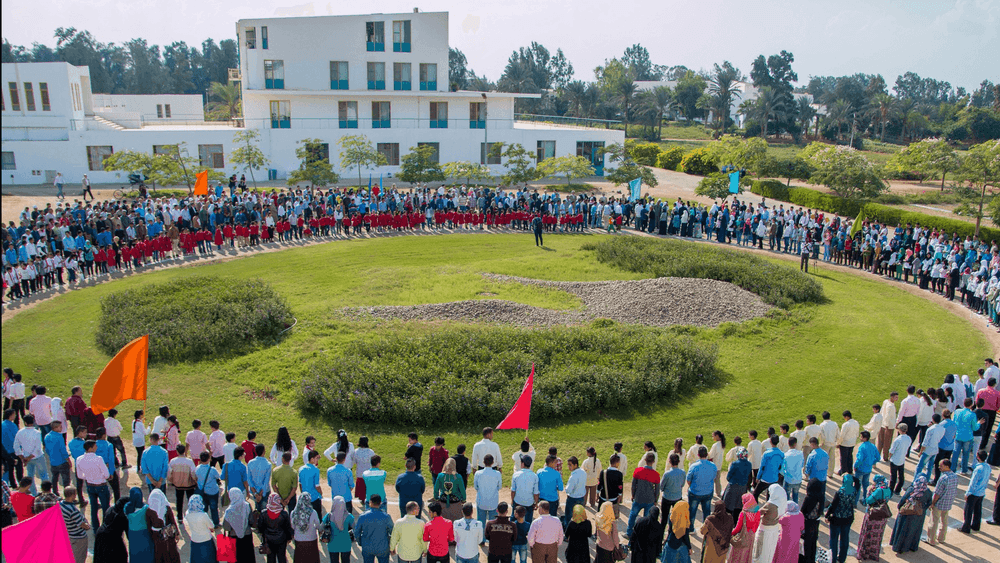
Partnership with SEKEM: Interview with Justus Harm
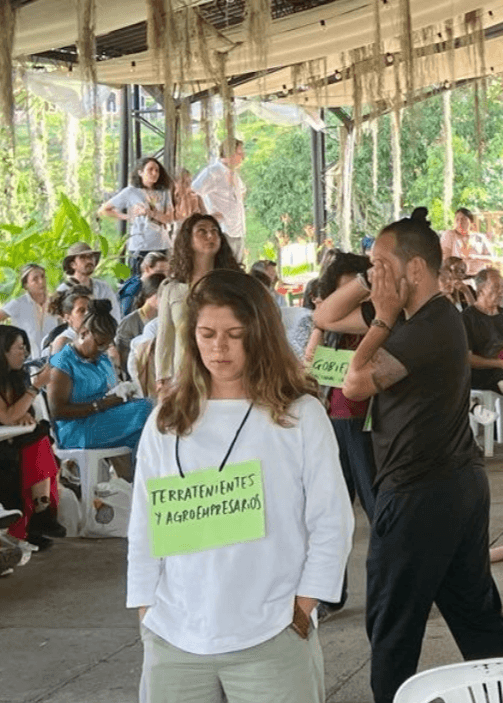
Colombia: Weaving Regenerative Cultures
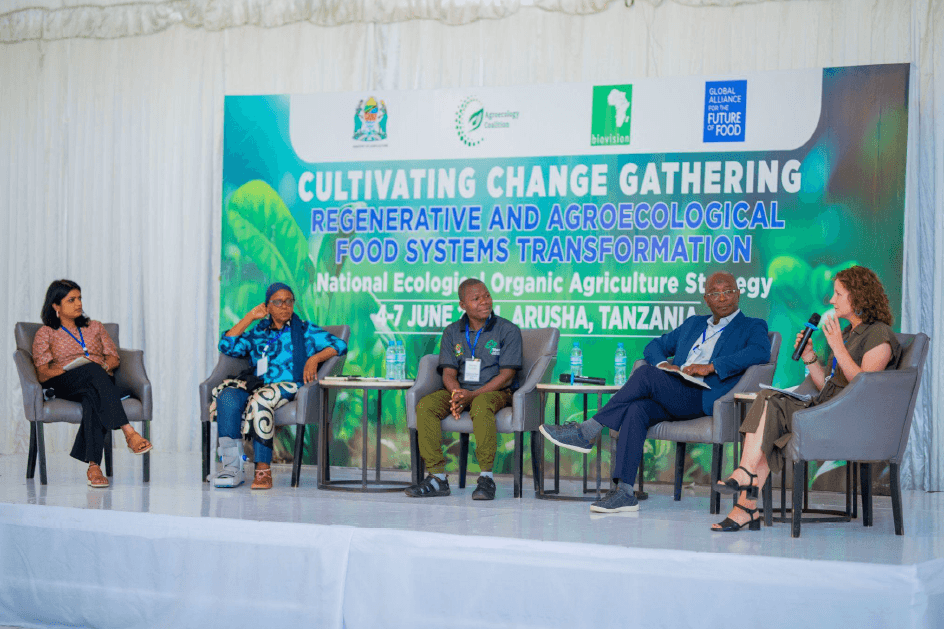
Gathering held in Arusha, Tanzania
Partnership with Commonland
What regeneration means to us
Regeneration is not a technique. It is a shift in the soil.
01
Ecological
Healing our relationship with land, water, food and the living systems we are part of.
02
Social
Rebuilding trust, belonging and our capacity to act together across divides.
03
Consciousness
Moving from ego-system to eco-system awareness: sensing ourselves as part of the whole, and acting from love rather than fear.
The institutions, markets and projects we can see grow from an invisible layer: our social fields. When that soil is healthy, what grows above it flourishes. So we begin there.
“My father did not force the harvest. He tended the soil.”
Otto Scharmer
HOW WE WORK
How we support emergence
Change in living systems doesn't come from a master plan. It comes from small islands of coherence that find each other.
Our programs and gatherings are where regenerative initiatives are born, tested and connected.
Threads across every region:

u-lab
A free global course and movement, with self-organized hubs in hundreds of places. Its Landscape Regeneration track was built with Commonland, and hubs like La Pulpería connect it to local regenerative initiatives in agroecology and other efforts.

Ecosystem Leadership Program and regional gatherings
In Latin America, Europe, Africa and beyond, each rooted in its own context. In Latin America it is where Chilean watershed leaders met and where the Regeneration group prototypes together.

Presencing Series and Regenerative Futures Labs
Global gatherings where regenerative initiatives are sensed, shared and supported, with nearly 1,000 people per session this year. The Labs end in a Festival of Prototypes.

u-research
A consciousness-based science of the social soil, with the Journal of Awareness-Based Systems Change, exploring why regeneration must begin with how we know.
AROUND THE WORLD
What we do, and what it makes possible
We support leaders who convene whole systems around a place, a theme or a community, and build the inner and collective capacities that make regeneration last.
Then we make those islands of coherence visible, and help them connect.
_______________________________________________________________________________________________________________________________________________________________
01
Latin America
An Ecosystem of Regeneration Leaders, guided by indigenous elders and applying the methods and tools of Theory U, are regenerating territories across Latin America.
WHAT WE DO
Ecosystem Leadership Program (ELP)
- 467 leaders since 2023
- 65% women
- 90% on scholarships
- 55 prototypes by year two
The 2024 Regeneration group, 47 leaders from 13 countries, launched five prototypes:
Maipo, Chile
A bioregional strategy for the Maipo
Fundación Santuario del Maipo works to regenerate Chile’s Maipo basin by protecting 20,000 hectares and catalyzing a 300,000-hectare ecological corridor linking Andean and Mediterranean ecosystems. Born in u-lab and developed through the Ecosystem Leadership Program, it partners with Commonland and the Presencing Institute to drive collective action. Its demonstration bio-hub combines agroforestry, ecotourism, education, and renewable energy to strengthen water security and well-being.
WHAT IT MAKES POSSIBLE
Palguín Alto, Chile
Guardians of the Forest
Fundación Cuidemos Paraísos was created by ELP participants to conserve the native forests and water resources of Palguín Alto, Chile. Through global crowdfunding campaign they are creating holding off commercial extractive interests and creating a critical buffer zone that will protect a vast bio-cultural reserve at the source of the Palguín River and on land sacred to the Mapuche.
Chile and the Andean Region
Montaña Sagrada
In partnership with Latin American and global elders and allies, Fundación Cuidemos Paraísos is co-imagining the Montaña Sagrada Research Center, a living lab for study and education of academic, ancestral and land-based approaches to bio-cultural conservation. This initiative is a prototype that resulted from a recent gathering of the ELP Regeneration group and will be launched in 2027.
Galápagos, Ecuador
A Regenerative Seafood System
70+ fishers, officials, chefs, guides and scientists used Theory U to co-create a vision and 10 prototype ideas for the islands' seafood system, with Commonland, Conservation International, the Charles Darwin Foundation and local partners.
Brazilian Amazon
Witoto Institute
Vanda Witoto, a participant in the program, is professionalizing an Indigenous institute in the Amazon.
Llanquihue, Chile
Maullín watersheds
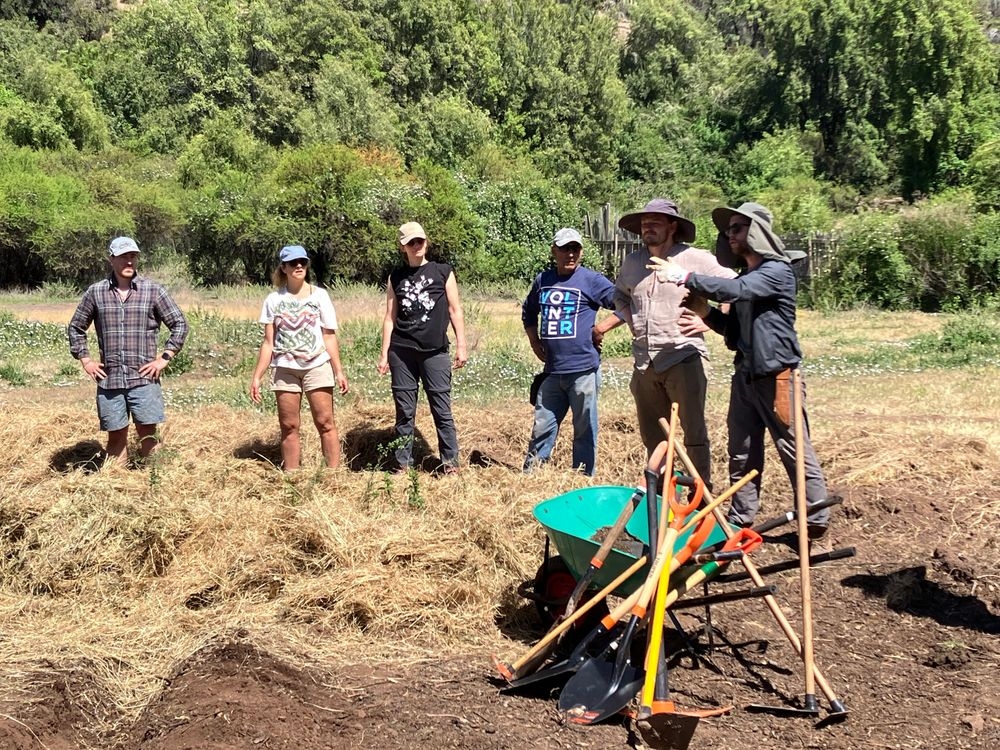
A 20-year plan to restore riparian corridors, wetlands and native forests across 1.1 million hectares of watersheds, alongside a shift to sustainable livestock and regenerative agriculture.
Argentina
La Pulpería
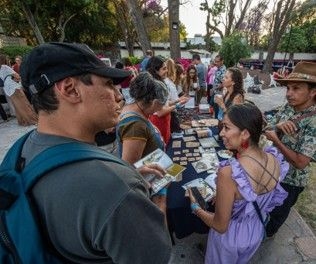
A u-lab hub of about 50 people working on community activation and intersections with food, agroecology and bioconstruction.
Across the continent
Tending the Soil
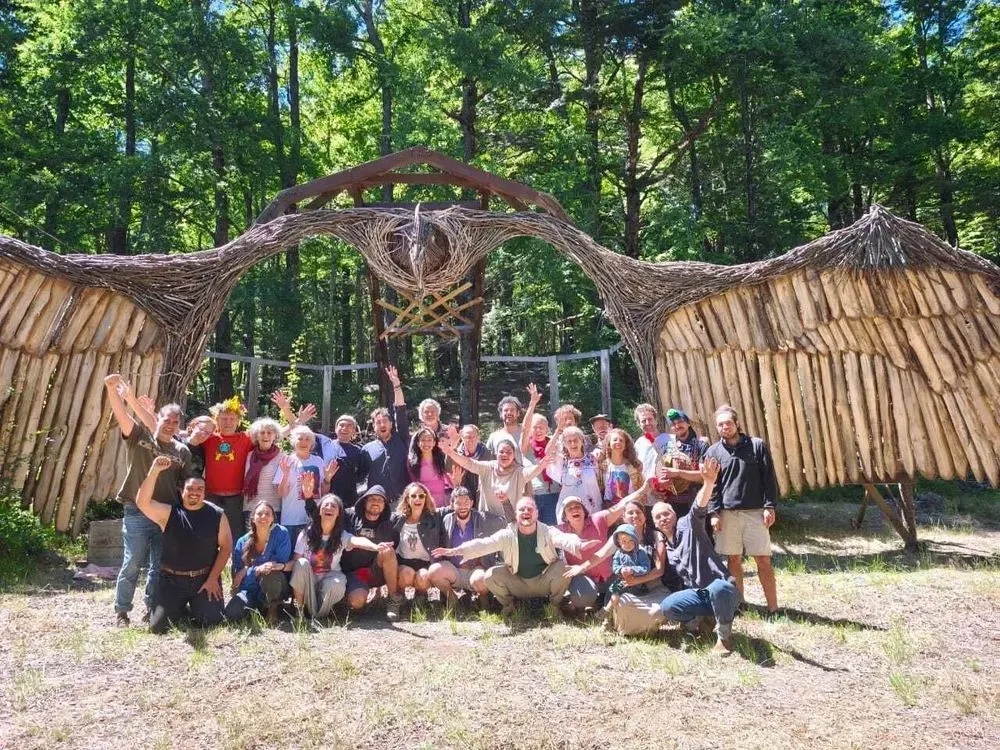
A group of 50+ regeneration leaders who have participated in the Ecosystem Leadership Program series and are applying awareness-based systems change in the territory. Through monthly meetings and annual gatherings, they share experiences, reconnect with purpose, and receive support with ideas, connections and funding. Watch the video Read the Manifesto
COMING UP · 14–16 NOVEMBER 2026
Valle de Bravo, Mexico
Three gatherings in one place.
The Presencing Institute is partnering with the Universidad de Medio Ambiente (UMA), a pioneer in sustainability and regeneration, to offer a unique gathering that will combine advanced training for practitioners of Theory U, a forum for Latin America leaders to exchange experiences, and a community gathering for Theory U practitioners to co-envision the future of our collective work and community in Latin America.
________________________________________________________________________
________________________________________________________________________
_______________________________________________________________________________________________________________________________________________________________
02
Europe
Regions building food sovereignty from relationships up, with farmers, retailers, policymakers and citizens at one table.
WHAT WE DO
Lake Constance · since 2024
Solidarity Regions
PI Europe accompanies regions building food sovereignty: solidarity purchasing groups and a regional solidarity fund. Early roots in Uckermark, Germany, and a new bridge to Bilbao and Latin America.
Southern Spain
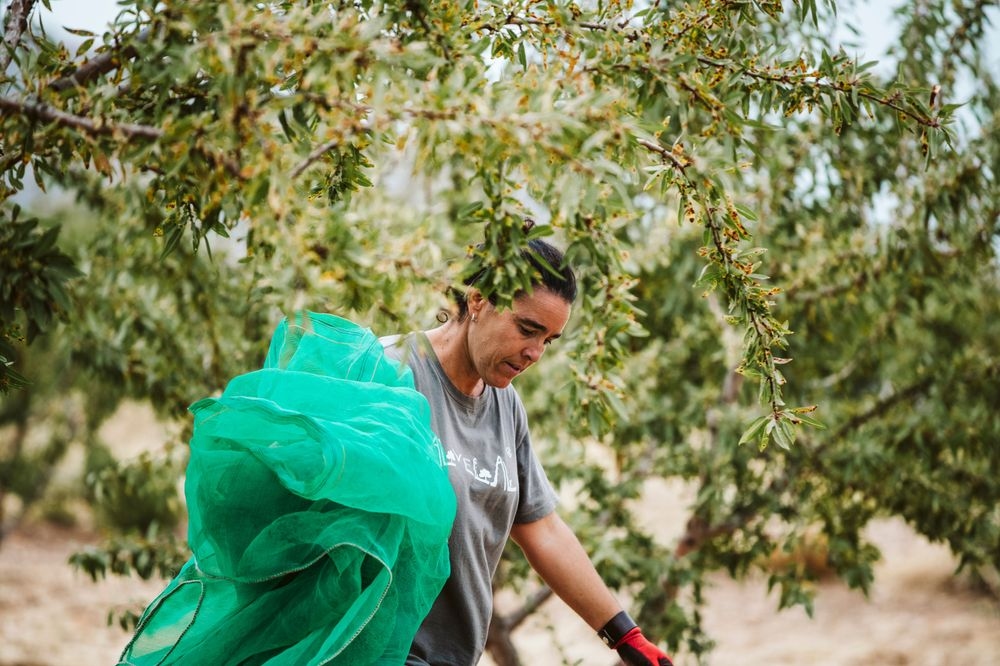
AlVelAl, with Commonland
Restoring a degraded landscape with its farmers, in a region where 79 local governments have signed a regenerative area manifesto.
Netherlands · with Commonland
Rethinking Dutch agriculture
95 farmers, officials, business leaders, financiers and educators joined an 18-month lab with the Dutch government and Commonland.
Gipuzkoa, Basque Country
Citizens' assembly on agriculture and climate
Citizens deliberating on agriculture and climate with Arantzazulab, recognized by the OECD as best practice.
10 European bioregions
Bioregional Weaving Labs
A collective aiming to regenerate 1 million hectares of land and sea and support 1 million changemakers by 2030.
WHAT IT MAKES POSSIBLE
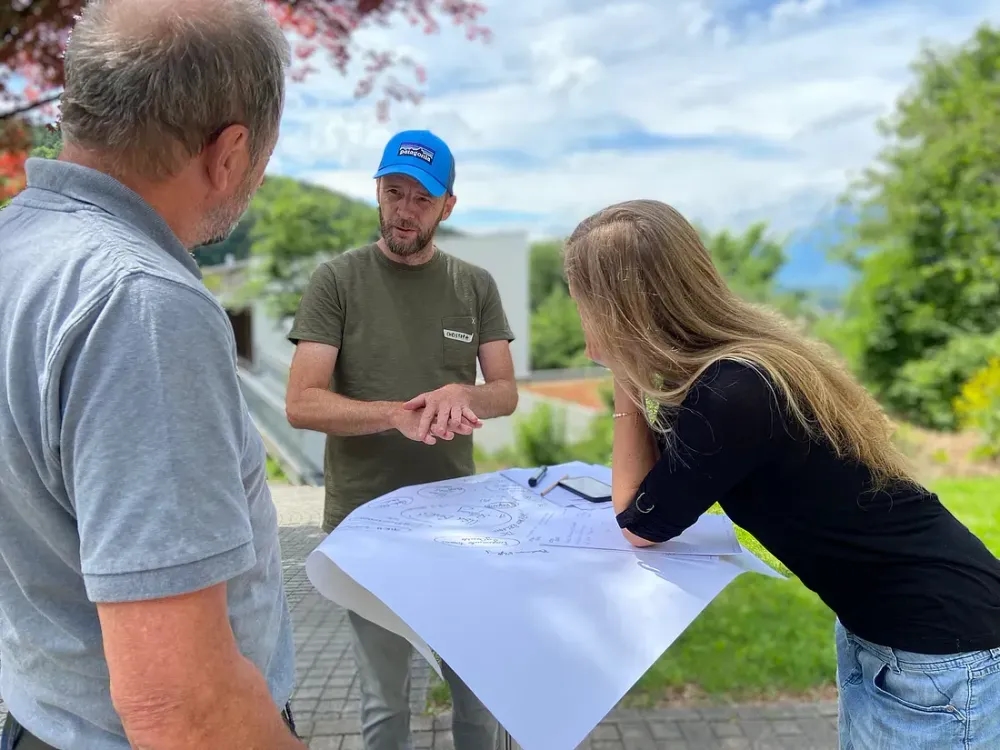
Vorarlberg, Austria
~60 farmers
Reviving Urdinkel, an ancient spelt, with a regional bakery and Musik am Hof, music on farms.
_______________________________________________________________________________________________________________________________________________________________
03
Africa
A pan-African learning ecosystem grounded in Ubuntu and Theory U, and convenings where prototypes become farmer-led practice.
WHAT WE DO
Mapai, Mozambique
Weaving ecological corridors
With Peace Parks Foundation, Ubuntu.Lab and the national conservation agency ANAC, 50+ people co-created 6 prototypes to turn corridor plans into action in the Great Limpopo.
Arusha, Tanzania
Agroecology convening
- 126 participants
- 900+ new connections
- 10 prototypes
Farmers, funders and policymakers co-created prototypes on policy, markets, finance and soil health.
Senegal · Cameroon · Benin
West Africa Biodiversity Learning Lab
With the Hans Wilsdorf Foundation, 34 conservation leaders from government, civil society, academia and community organizations, March–June 2026.
WHAT IT MAKES POSSIBLE
ALLIES WE AMPLIFY
Tanzania
Arusha prototypes, now participant-led
A Participatory Guarantee System linking certified farmers to schools and hospitals, and a Rapid Soil Health Doctor that teaches farmer groups to read their soil via WhatsApp.
Nairobi, Kenya
Integrated Zero-Waste Rabbit Farming
20 young people and farmers turning waste into fertilizer for hanging gardens.
Egypt
SEKEM
Justus Harm on how 44,000 farmers are transforming Egypt's agriculture, shared at the 2025 Presencing Series.
_______________________________________________________________________________________________________________________________________________________________
04
Asia Pacific
Learning from Bali's subak, a centuries-old way of governing water, land and spirit as a commons.
WHAT WE DO
Indonesia · Australia · Nepal · India · China
Ecosystem Leadership Program, Asia Pacific
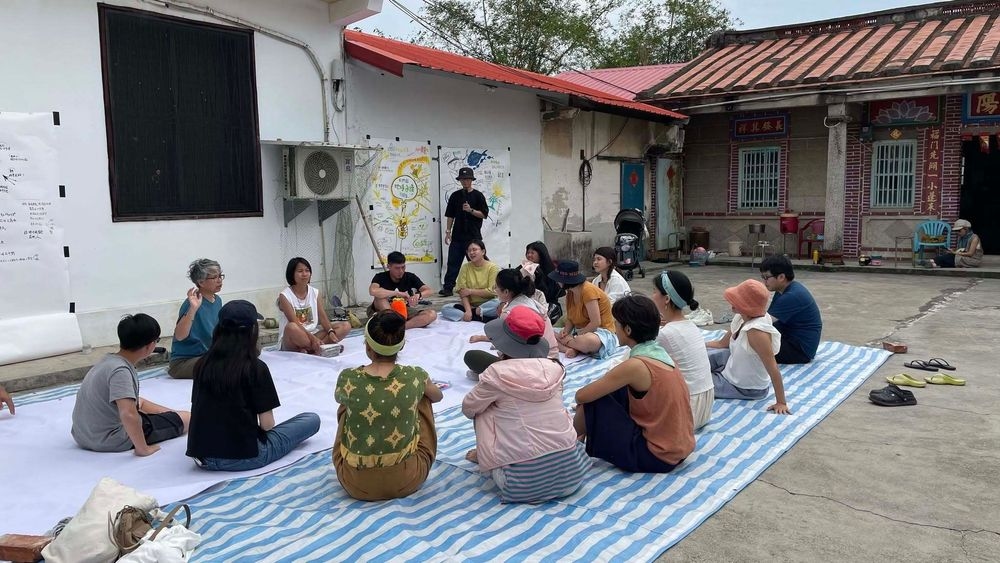
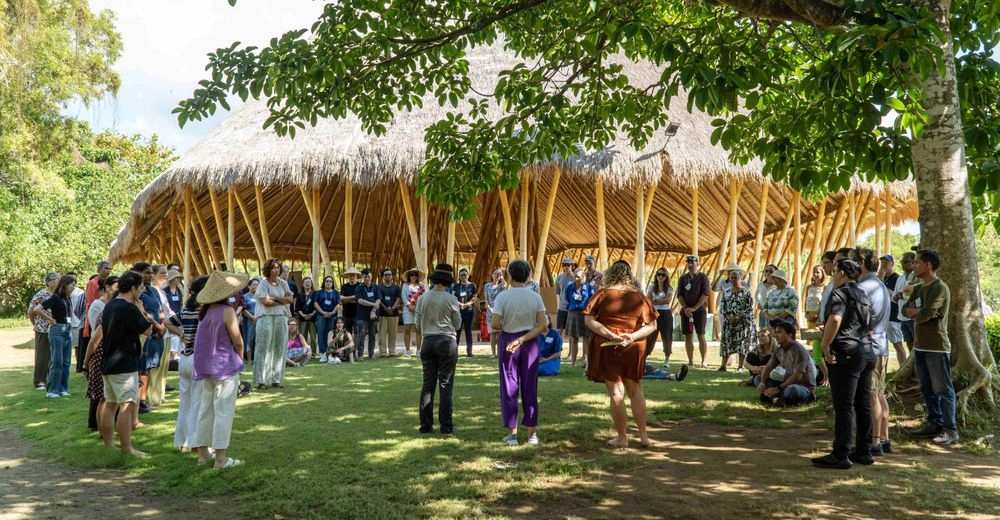
Held on Kura Kura, an island near Denpasar restored from degraded land into a living campus. The community includes forest stewardship cooperatives replacing logging economies, and work on a national social forestry policy that recognizes Indigenous community rights.
China
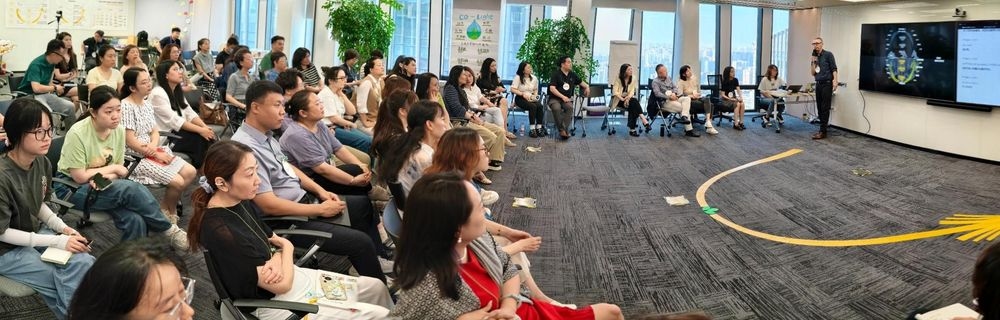
Cultivating the social soil in the age of AI
AI, cosmology and social social with Tsinghua University, MIT IDEAS China and others.
_______________________________________________________________________________________________________________________________________________________________
05
North America
Leadership rooted in place.
WHAT WE DO
ALLIES WE AMPLIFY
Vermont, USA
Executive Champions Workshop
Senior leaders reconnect to place with Peter Senge, Arawana Hayashi, Otto Scharmer and Anishinaabe scholar Melanie Goodchild, whose ceremonies acknowledge the land and the ancestors. Next: 24–27 August 2027.
“The land is holding us — not just a tent and chairs in a field.”
USA
Eileen Fisher
A long partnership with a company sourcing wool from regenerative farm collectives and remaking worn clothes through Renew, including a cross-industry Regenerative Business Lab on textile waste, for companies evolving into regenerative enterprises.
Pennsylvania, USA
Farmer Jawn
Christa Barfield left health care to build the largest Black-owned produce farm in Pennsylvania: 128 acres, eligible for Regenerative Organic Certification. She is an alumna of our Presencing Foundation Program.
“Every decision must improve environmental health, physical health, and social health simultaneously.”
MANY WAYS OF KNOWING
An epistemic monoculture helped bring us here. Regeneration needs a wider science, one where Indigenous knowledge, embodied experience and the knowing of the social field stand alongside data and analysis.
Melanie Goodchild, Journal of Awareness-Based Systems Change, 2021. Guided by the Haudenosaunee two-row wampum, Anishinaabe scholar Melanie Goodchild explores the sacred space between Indigenous and Western systems thinking. Downloaded more than 75,000 times.
"A reconnection with Mother Earth and with each other is fundamental to disrupting global patterns of trauma."
Building a Science of the Social Field
Otto Scharmer and Eva Pomeroy, 2026. An invitation "to reimagine science not only as the study of systems, but as a practice of deep sensing, shared meaning-making, and regenerative transformation."
Niigani Miinigowiziiwin: We Give These Gifts to the Future
Canada, 2026–2029. Canada's science centres are learning to weave Anishinaabe knowledge with complexity science and systems ecology. The program was designed and facilitated by Melanie Goodchild with the Presencing Institute and the Wolf Willow Institute. Its first cohort brings together 65 people from 15 science centres, working "beyond inclusion to true reciprocity and shared understanding."
_______________________________________________________________________________________________________________________________________________________________
06
Planetary Field
Free, open programs that connect regional work to a global community of practice.
Presencing Series
Free global sessions on regenerating planetary and social soil, and on soil health, human health and regenerative economies, which drew nearly 1,000 people. The Labs coach regenerative prototypes and end in a Festival of Prototypes.
Global, online
Regenerative Futures Labs
Open labs ending in a Festival of Prototypes.
Read "What is Mine To Do?
Read "From Intention to Action"
Read "A Festival of Prototypes"
Free and online
u-lab Landscape Regeneration track
Theory U combined with Commonland's 4 Returns.
15,000+
GAIA
People in 8 languages sensing together through the pandemic, including on food and farming.
67
The Soil Dialogues
Ways to steer capital toward regenerative agriculture, found in dialogues around soil wealth.
Reaching the Tipping Point: How 44,000 Farmers Are Transforming Egypt's Agriculture · Justus Harm, SEKEM
Linking Soil Health, Food Quality & Public Health · Zuzanna Zielinska on System Transformation
Symbiosis: The Missing Concept in Our Relationship with Earth · John D. Liu
_______________________________________________________________________________________________________________________________________________________________

Read
We May Be Entering a Second Axial Age
Otto Scharmer, Noema, May 2026. Why today's polycrisis is a rupture on the scale of the first Axial Age — and why the response lies in collective awareness, the social soil, and new civic infrastructures built to tend it.
Partner with us
Fund the soil, not just the harvest.
Most investment goes to what is visible above ground. The human capacities that make regeneration possible — sensing, relating, acting together — receive almost none. Help us tend them.
Partner with us
Donate
.
